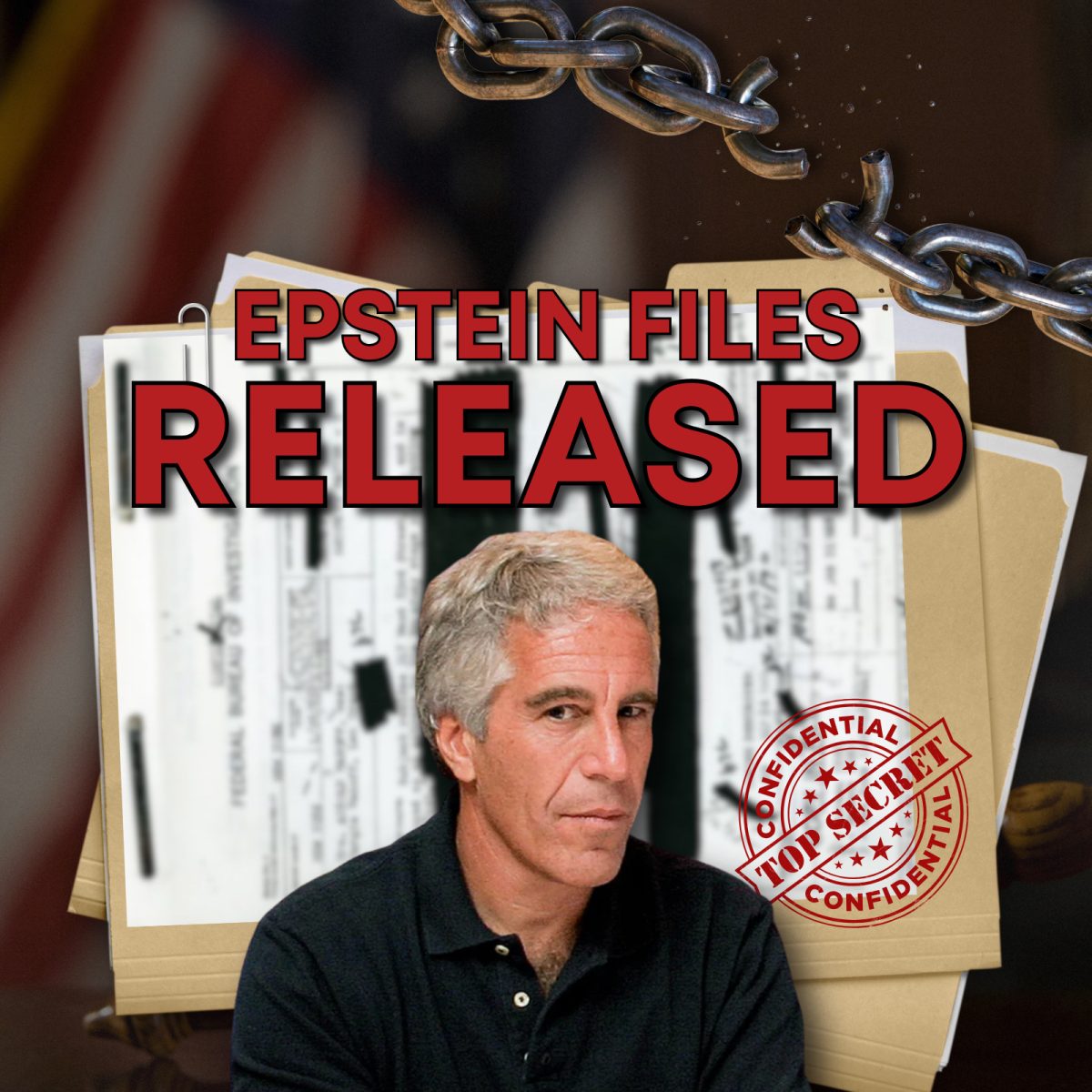
The Epstein files has been a source of intense public interest since Jeffrey Epstein’s arrest and subsequent death in 2019. For years, these documents were locked away, fueling conspiracy theories and demands for transparency. Advocates argue that releasing the files is crucial for accountability and justice for victims, while critics fear that selective redactions could turn this into a political weapon rather than a step toward truth. The debate intensified as former President Trump, who once opposed their release, recently shifted his stance, raising questions about what changed and why.
In 2019, former President Trump opposed releasing the files, citing concerns about ongoing investigations and national security. Fast forward to 2025, and Trump has reversed his stance, now supporting full disclosure. This shift raises questions about what changed, political strategy, public pressure, or something deeper?
Amaiya Ewell, a third-year law student, voiced her concern about the broader implications: “Unfortunately we are living in a time where transparency and democracy is being threatened. I pray for us as a country and that the victims find peace.” Her words echo the sentiment of many students who see this moment as a test of accountability and trust in government.
The release of thousands of pages of Jeffrey Epstein’s emails sent shockwaves through Washington, with references to high-profile figures including Donald Trump. In one email, Epstein claimed Trump “knew about the girls,” though Trump has forcefully denied the allegations and dismissed the leak as a biased smear. Despite initially calling the push to unseal the files a “Democrat hoax,” Trump later announced on Truth Social that he had signed the bill, declaring, “I HAVE JUST SIGNED THE BILL TO RELEASE THE EPSTEIN FILES.”
The decision to release the Epstein files came after an overwhelming congressional vote, 427 in favor and just one against, that one hailing from Louisiana. The move follows former President Trump’s recent reversal on the issue, shifting from his 2019 opposition to full disclosure in 2025. While the vote signals two-party support, speculation continues whether high-profile names, including celebrities, might appear in the documents. For some students, timing raises questions. “Honestly, I think this is more about politics than truth,” said Kylon Hardin, a sophomore in mechanical engineering. “If they really wanted transparency, why wait this long?” His skepticism reflects a broader concern that the release may be selective rather than comprehensive.
Although the vote passed with near-unanimous support, the release won’t happen immediately. A 30-day waiting period has been set before the files become public, and Epstein’s brother has already suggested that certain names will be redacted. This has prompted concern that the disclosure may be politically selective rather than fully transparent. Thelma Jones, an accounting professor, expressed her skepticism: “On the political side, everyone seems focused on protecting themselves. Meanwhile, the girls are still living with the trauma. We have to ask: where is justice?”
With the 30-day countdown underway, the Epstein files have become more than a legal matter; they’re a test of transparency and trust. Students and faculty alike wonder if this release will deliver the full truth or just a politically edited version. For now, the nation waits to see whether accountability will prevail or if this moment becomes another chapter in controversy.


