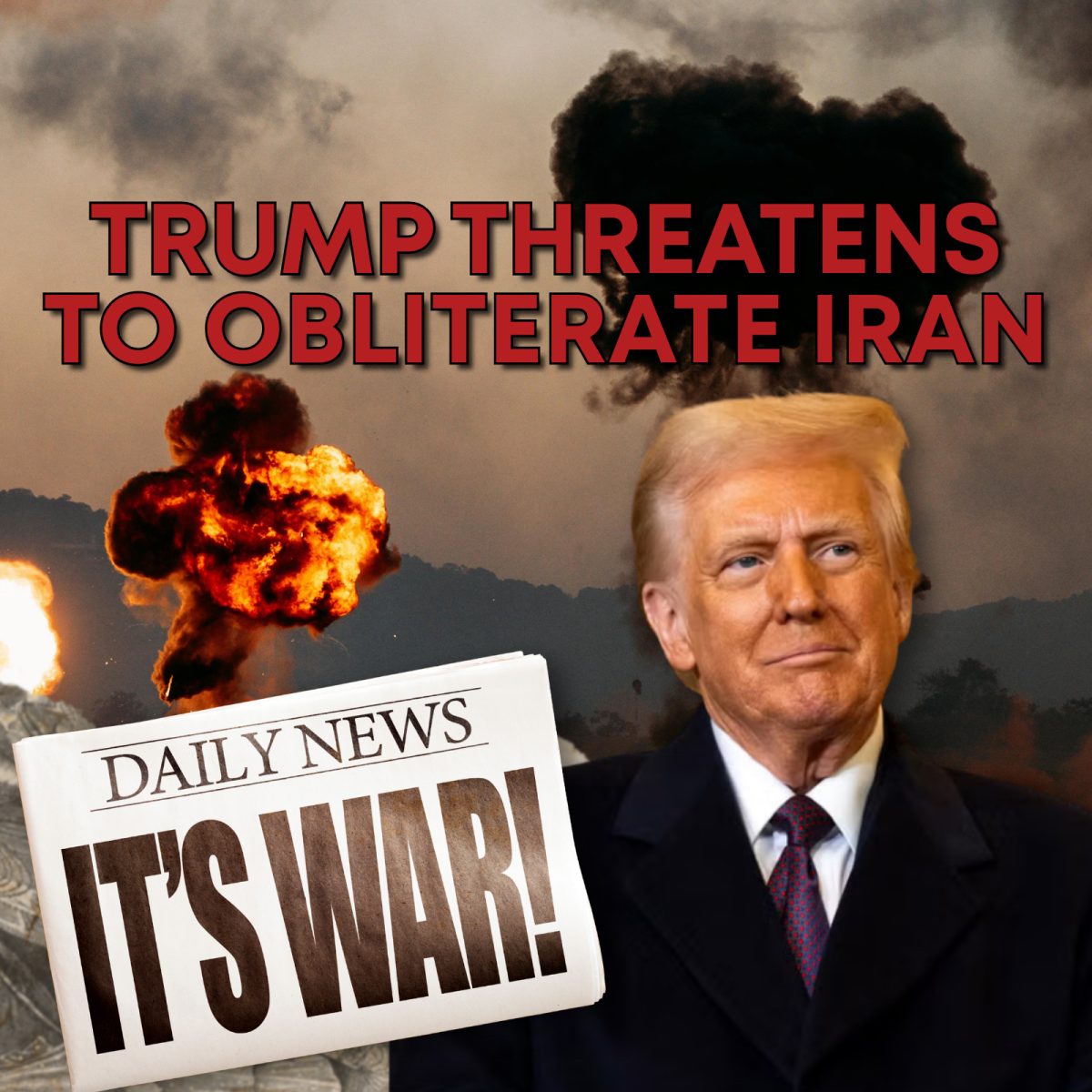
Tensions between the U.S. and Iran hit a breaking point in early April 2026. After signaling a major escalation on April 2, President Trump issued a blunt ultimatum via Truth Social on April 5: reopen the Strait of Hormuz by Tuesday, April 7, at 8:00 P.M. or face a massive bombing campaign.
Trump threatens to cripple Iran’s economy and civilian infrastructure, including power and water facilities, to pressure the country to reopen the Strait of Hormuz, making the threat a calculated move targeting Iran’s essential functions and underscoring the seriousness of the U.S. ultimatum.
The Strait of Hormuz is one of the most important oil routes in the world, so any disruption there doesn’t affect the region alone but impacts global energy prices and stability. Trump has framed this demand as both a national security issue and an economic threat.
The world is focused not just on the U.S.-Iran conflict, but on major powers like China, which relies on regional oil and generally opposes U.S. military action. China’s stance could sway whether the crisis escalates or de-escalates, raising the broader international dimension.
Still, even with the possibility of China getting involved, whether politically or economically, more tension is added to a stressful situation. As the deadline gets closer, the risk of this turning into a larger international conflict becomes more real, and the whole world is watching to see what happens next.