Every year, the same feeling comes during Black History Month. To some, they feel the need to celebrate the advancements that have been made. However, acceptance still shows that it comes with conditions. This year, that played out during the Super Bowl with the dual halftime shows.
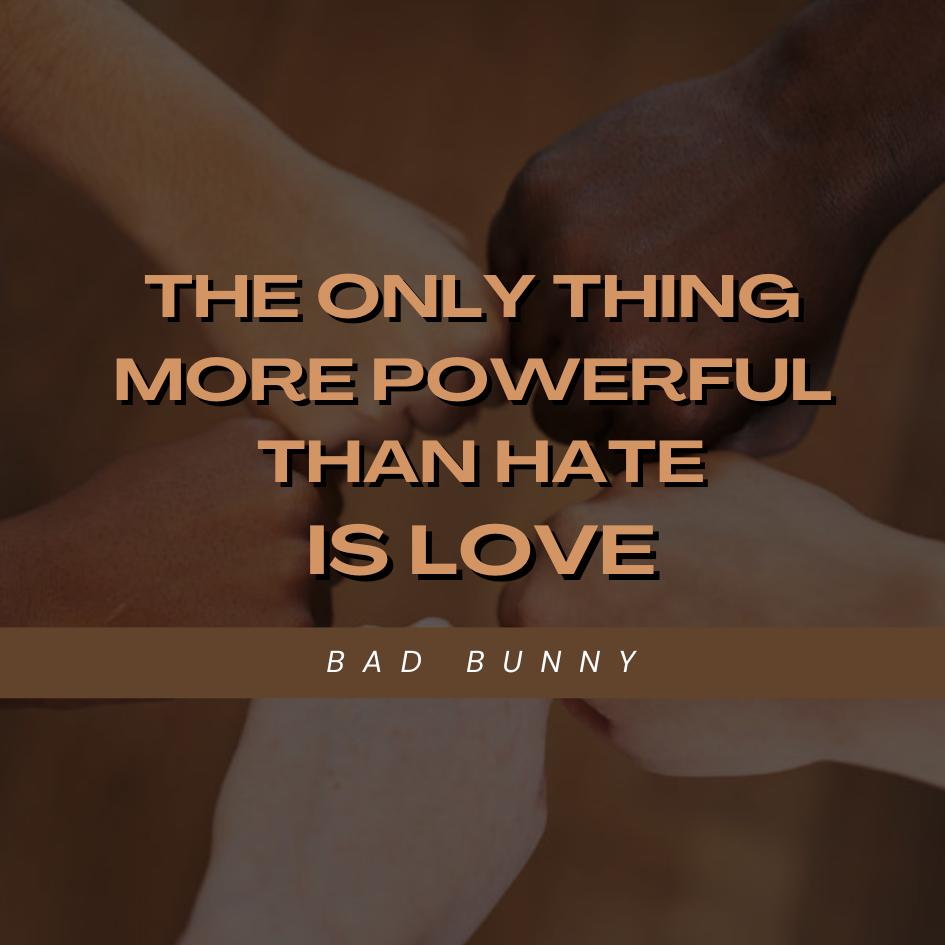
One of the major projects at the Super Bowl is a showcase of global artistry featuring Bad Bunny. He is revered for his unapologetically Caribbean and Spanish celebration of culture and heritage. He performed with pride. He also performed in Spanish, which made the performance that much more impactful. Watching millions of people embrace Bad Bunny and enjoy the performance was a narrative shift. The ‘American’ identity in music and performance now includes various cultures and influences.
But of course, there was the ‘other’ halftime show.
Turning Point USA, a nonprofit that advocates for conservative politics on campuses nationwide, staged its own halftime show, one they proclaimed to be ‘All-American’. This halftime show included artists such as Kid Rock, Lee Brice, Brantley Gilbert, and Gabby Barrett, who performed in a show of protest to others. This was not about music; this was about a refusal to accept an inclusive America. This was a chance for people to look away and ignore an America that included them.
Two halftime shows at the same time is crazy—but it’s also revealing. This was not about preference. It was about power. Who gets to define what is appropriate for a national stage? Who gets deemed “political” for merely existing? Why does the possibility of inclusion feel antagonistic for the never-excluded?
Black America knows this story.
When Beyoncé incorporated police violence and the Black Panthers into her performance, the criticism was swift. The comments about Rihanna when she was pregnant are not the type of comments directed at male performers. This year, Bad Bunny did not even need a political statement to be criticized. His apolitical presence at the Super Bowl was enough.
This is why the presence of people of color, women, and other marginalized communities elicits this type of negative response.
This same discomfort recently reared its ugly head in the case of Donald Trump. Using new technological tools, Trump digitally altered images of Barack and Michelle Obama to depict them as apes. This is an example of dehumanization, and it is an example that comes straight out of America’s most brutal and violent past. The technology is new, but the message is old. AI did not invent racism; it simply made it faster and more accessible to dismiss as a “joke.”
And that’s where all connections are made.
The National Black Culture and Leadership, shaping and impacting the country, is seen as a threat that needs to be ridiculed, trivialized, and mocked when it disrupts the established order. Black Culture is consumed, and the free and autonomous nature of black people is not appreciated. The public wants to see the black population, but does not want them to be in charge.
Black History Month embodies that double-edged sword.
We are honored in February and then policed for the rest of the year. Our music fills stadiums, but our humanity is still debated. Our history is celebrated, but our presence is questioned. The fact that this year’s Super Bowl needed an “alternative” halftime show says more than any performance ever could.
The issue was never Bad Bunny.
The issue was never the music.
The issue was the fear of a future where the center keeps shifting.
The biggest news is not that America is divided. The biggest news is that progress is showing up in all the ways that America thought it could control. No divided America, no controlled progress – straight to the Super Bowl.
So maybe Black History Month in 2026 isn’t about looking back at how far we’ve come. Maybe it’s about recognizing history as it’s happening—messy, contested, and unfinished.